
Find, evaluate, and build a self-sufficient life on rural land
Practical, field-tested guides for buying acreage, planning off-grid systems, and building a working homestead.

Land is easy to buy. A working homestead is harder to build.
Most acreage listings tell you the price and the acres — not the water rights, soil quality, fencing needs, or what it actually costs to go off-grid. AcreHaven was built by people who bought raw rural land and learned the hard way, so you don't have to.
Everything you need before you sign for acreage
Practical, field-tested resources for every stage of the homestead journey.

Land Evaluation Checklists
Walk a parcel with a repeatable field checklist that covers slope, soil depth, road conditions, zoning, and the quiet costs hidden behind an attractive listing.

Water Rights & Well Guides
Trace the paperwork and physical reality of wells, springs, and catchment before you budget a build. The guide helps you document dependable water instead of relying on a seller's shorthand.

Off-Grid Power Planning
Translate daily habits, winter loads, and backup plans into a practical solar and battery layout. You get assumptions you can check, not a perfect-weather calculator that leaves you short.

Self-Sufficient Farming
Start with the land you actually own: frost dates, water access, wind exposure, and soil behavior. Then shape gardens, animals, and rotations into a system that can grow with your household.

Structures & Outbuildings
Sequence the structures that make the rest of your acreage useful, from weather-tight storage to livestock shelter. Each worksheet balances permits, materials, labor, and the season you need it ready.

Closing & Title Guidance
Read the parts of a rural title that a standard home-buying checklist skips. We show you where easements, mineral rights, shared roads, and survey gaps can change the value of a parcel.
What a well-planned homestead acreage looks like
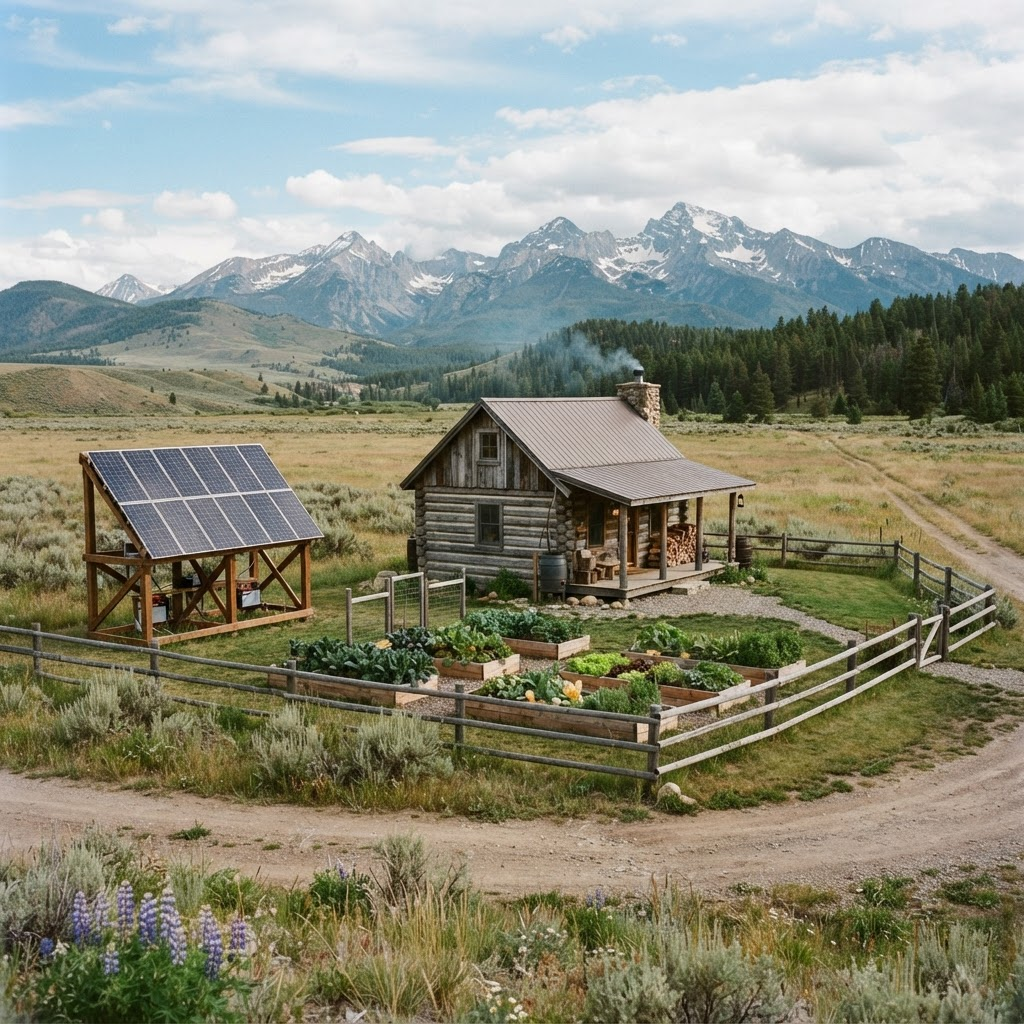
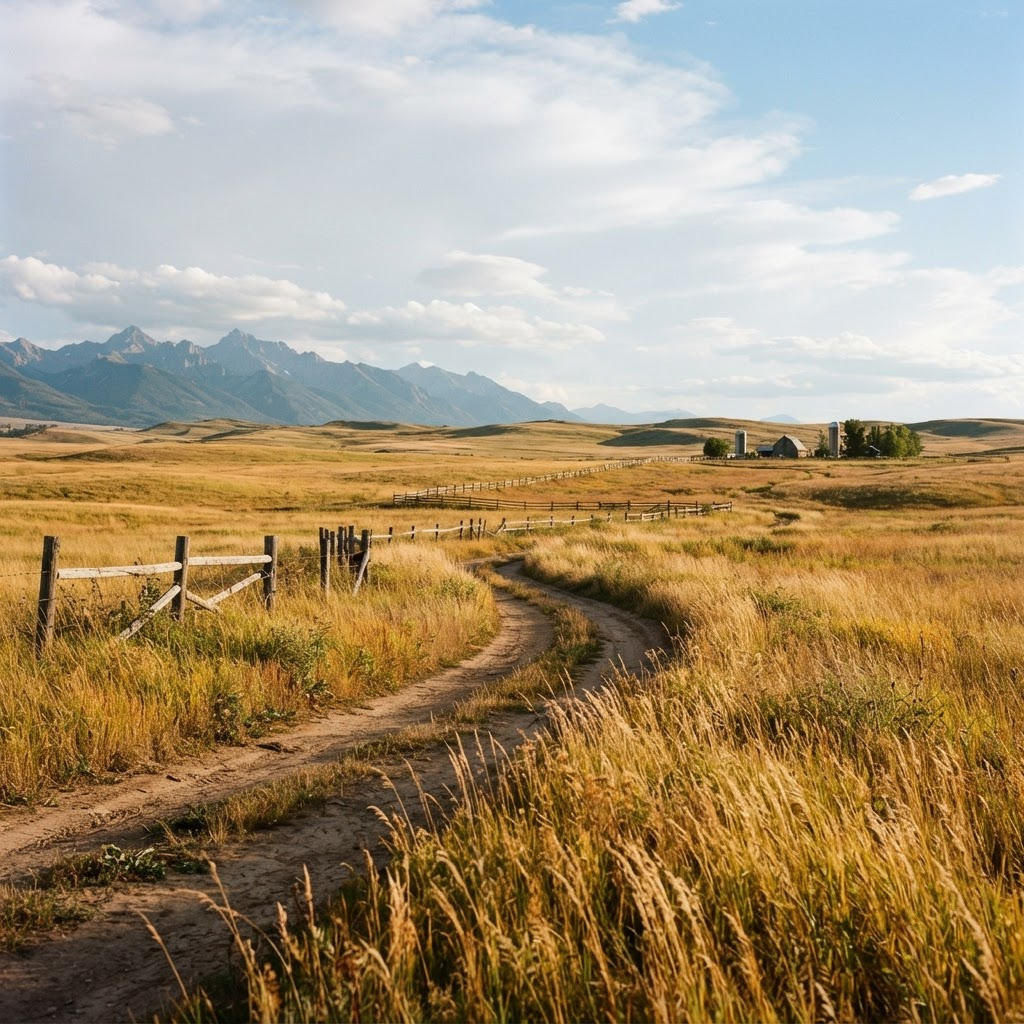
This 12-acre parcel outside Bozeman was raw pasture two years ago. Using our land assessment and off-grid blueprint guides, the owners sited the cabin for solar exposure, dug a well on favorable ground, and fenced for future livestock — all before breaking ground.
- Sited for sun and drainageSolar-first placement reduced battery bank size by 30%.
- Water secured before buildingWell permit and casing depth confirmed pre-construction.
- Fenced in phasesPerimeter first, paddocks added as livestock plans firmed up.
From raw acreage to running homestead
Good rural projects become manageable when each decision is made in the right order. Follow a practical sequence that protects your budget while keeping the long-term homestead in view.
Evaluate the land
Use our checklists to assess soil, water, access, and zoning before you buy rural acreage.
Plan your systems
Map out off-grid power, water, and structures against your budget and homestead goals.
Build and grow
Follow phased guides to build self-sufficient systems as your homestead matures.
Homestead guides you can put to work today
Downloadable, field-tested resources for every stage of buying and building on acreage.
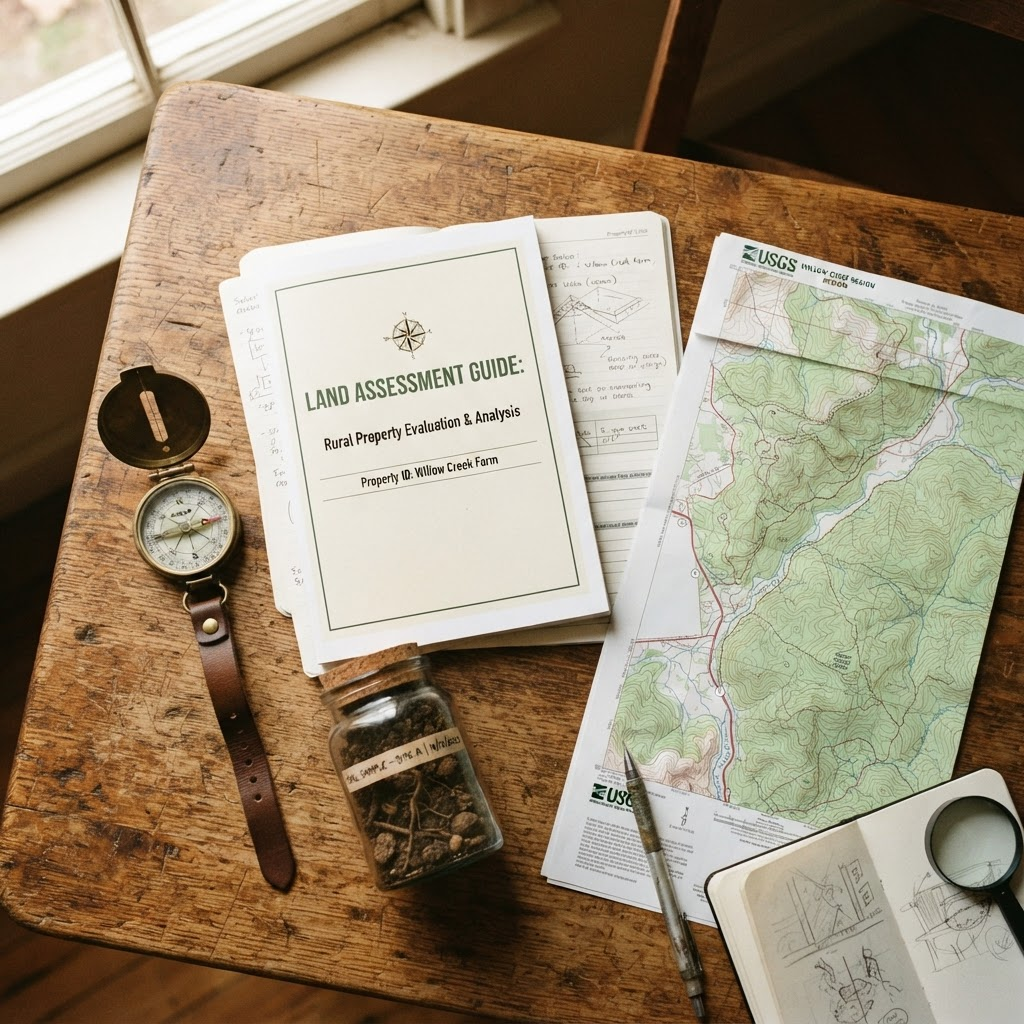
Rural Land Assessment Kit
Take this printable kit to every showing and record the details a listing leaves out. Compare soil, water, access, zoning, and likely improvement costs side by side before emotion takes over the decision.
$39 Get This Guide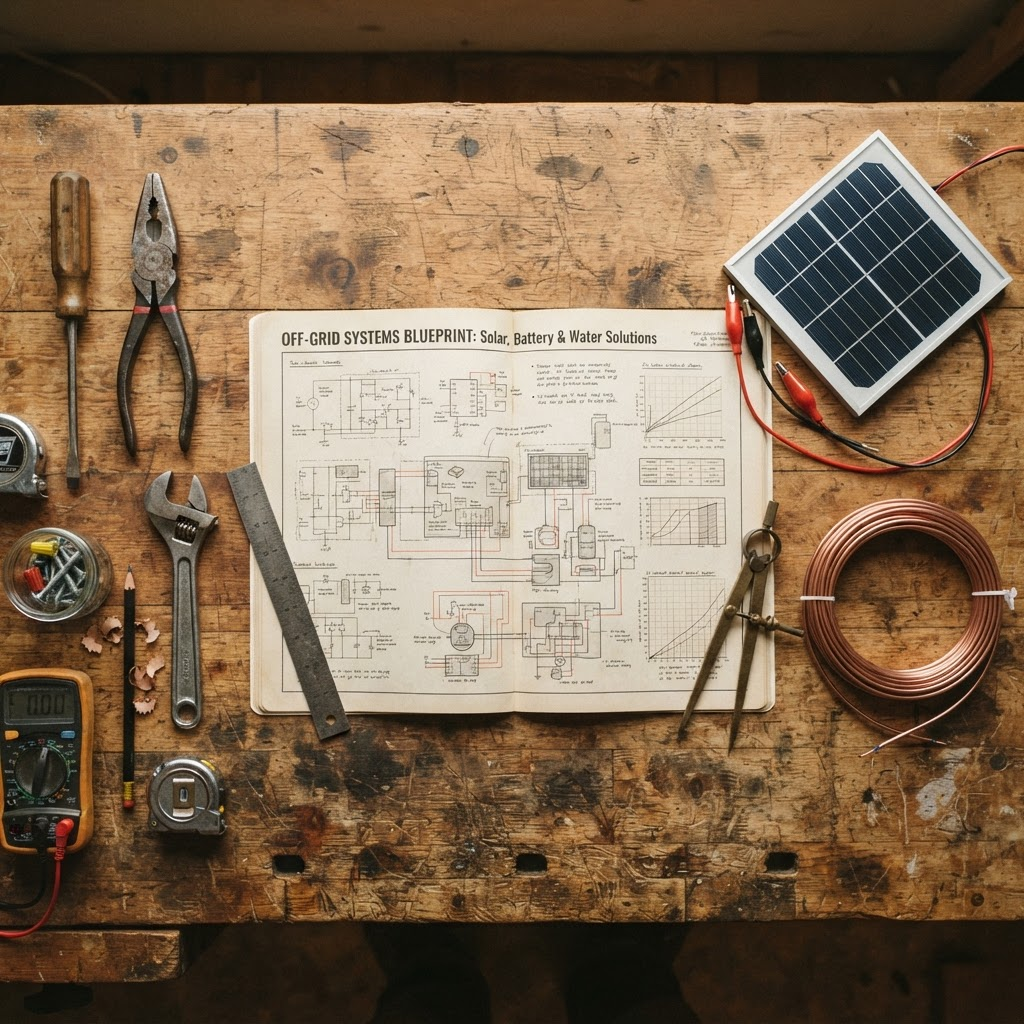
Off-Grid Systems Blueprint
Build a power plan around real appliances, winter sunlight, and the work your homestead will add over time. Worksheets help you choose solar, storage, generator backup, and a sensible expansion path.
$59 Get This Guide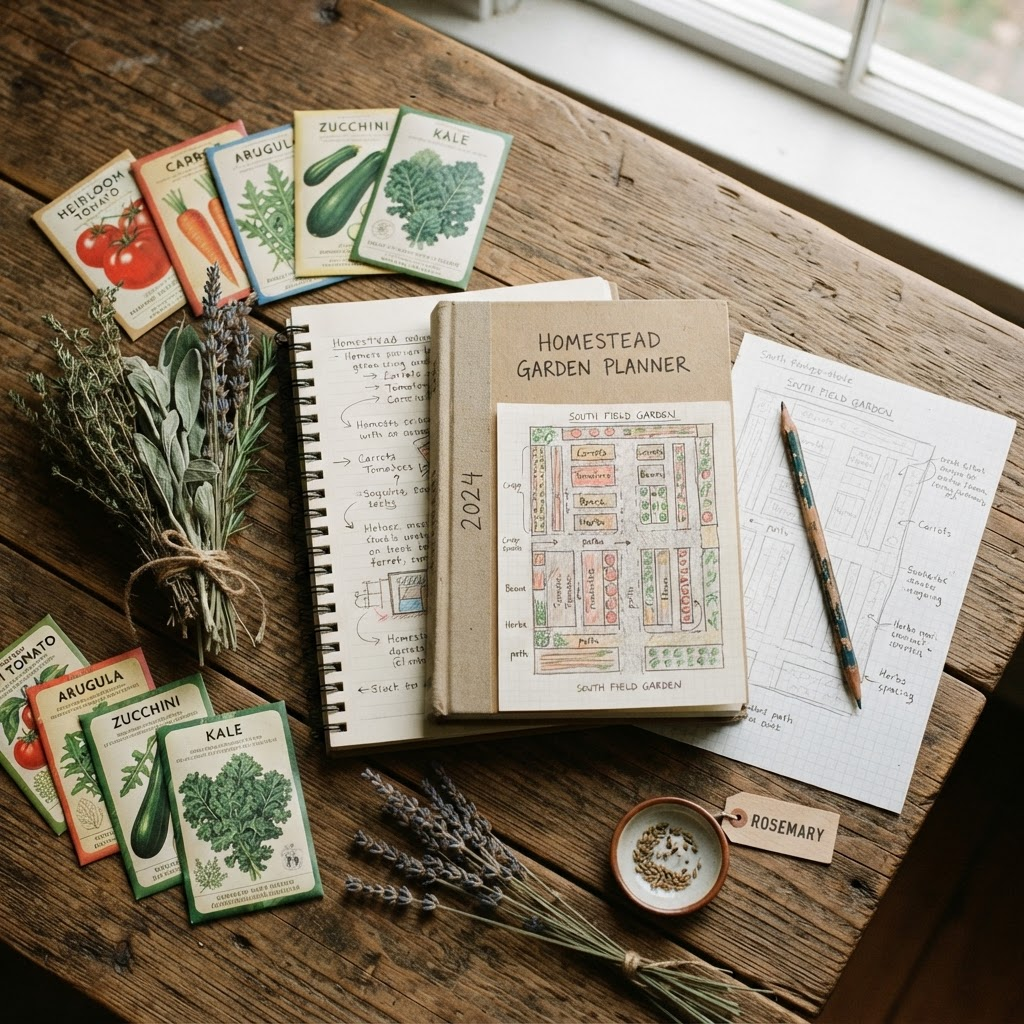
Homestead Layout Planner
Sketch a homestead that respects sun, wind, drainage, access, and the daily walk between home and work. Reusable layout pages turn a blank parcel into a phased plan for gardens, animals, and outbuildings.
$29 Get This Guide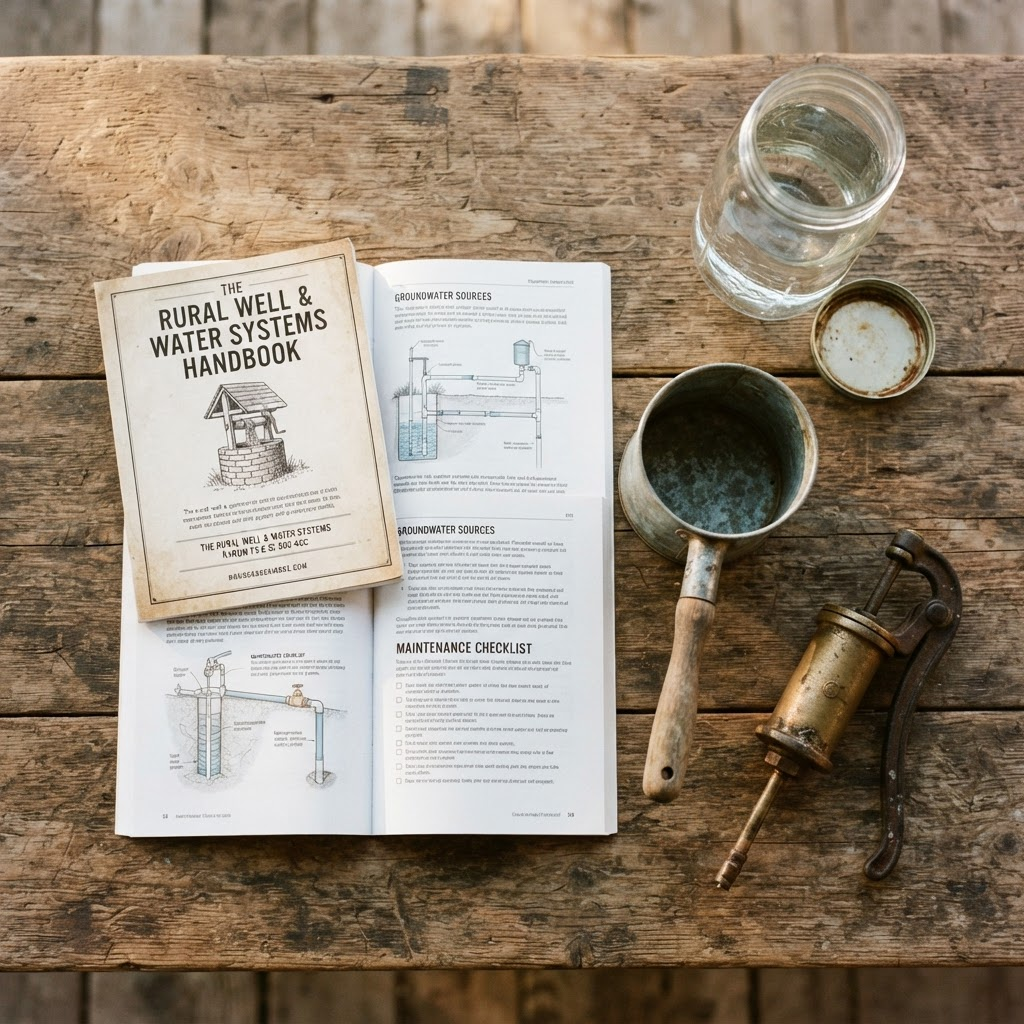
Well & Water Rights Guide
Know what to ask a well contractor, which records to request, and how to plan a backup source before construction begins. The guide turns water research into a documented, budgetable part of your acreage decision.
$34 Get This GuideAvoid the mistakes that cost new landowners the most
- Water rights surprisesConfirm well and surface water rights before closing, not after.
- Undersized power systemsRight-size solar and backup power to your real seasonal usage.
- Access and easement issuesVerify legal, year-round access before you commit to a parcel.
- Underestimated fencing costsBudget perimeter and paddock fencing before livestock plans, not after.
"We almost bought 15 acres with no legal water access. AcreHaven's land assessment kit caught it during due diligence — it saved us from a very expensive mistake."
Trusted by first-time land buyers and seasoned homesteaders
What buyers and builders say about AcreHaven
These are the moments when a clear checklist changes a land decision: fewer surprises at closing, better system choices, and a plan that fits real daily life.
"The off-grid blueprint took the guesswork out of sizing our solar array. We haven't run the generator once this winter."
"I used the land assessment kit on three parcels before finding the right one. It paid for itself many times over."
"Finally, homesteading advice that accounts for our actual climate and soil instead of generic tips."
Frequently asked questions
Start here for straightforward answers about water, power, location, and how our guides fit into a real acreage search.
How do I know if acreage has usable water rights?
Our Well & Water Rights Guide walks through how to check water rights records, confirm well permits, and evaluate rainwater catchment as a backup source before you close on a parcel.
Are these guides specific to Montana, or do they work anywhere?
The core frameworks apply nationwide, with state-specific notes for 38 states including Montana, where our team is based. Water rights and zoning sections flag where local rules differ.
Do I need to be fully off-grid to use these guides?
No. Many homesteaders stay grid-tied and simply want backup power or a well as insurance. Our guides cover both full off-grid setups and grid-tied hybrid systems.
Can I get help beyond the downloadable guides?
Yes. Reach out through our contact form below and our team can point you toward the right guide or answer specific questions about your acreage.
Referenced by land and homesteading communities
Our practical frameworks are shared by organizations and readers who care about responsible land buying, resilient rural living, and useful education.
Get full access to every guide
Buy guides individually, or save with full library access.
Single Guide
- Any one guide of your choice
- Lifetime updates to that guide
- Printable checklist format
Full Library
- All current and future guides
- State-specific land notes
- Priority email support
Homestead Coaching
- One-on-one acreage review
- Custom off-grid system plan
- Follow-up email support
Field notes on rural land and homesteading
Five questions to ask before making an offer on acreage
Before you fall in love with a view, learn how to ask about water, access, zoning, neighbors, and the improvements your budget will actually support.
How to size a solar system for a real Montana winter
Cold nights, snow cover, and seasonal work change the math. This field note explains the assumptions behind a dependable winter system and the backup margin a rural household needs.
Planning a homestead garden for short growing seasons
Use frost dates, windbreaks, low tunnels, and succession planting to make a short growing season productive. The goal is a garden rhythm that feels realistic beside work, weather, and livestock care.